5/5 Star Rating
13 + Year Of Experience
13 + Years of Experience

TrueFix
UAE
Call Now 054-716-0648
TrueFix
UAE
Call Now 054-716-0648
Drain blockage is one of the most common plumbing issue which everyone is facing either living in residential or commercial property. A clogged drain may start as a slow drainage problem but can quickly turn into serious plumbing damage if not handled correctly. Many property owners attempt to fix drain blockages themselves by using chemical cleaners or temporary tools. However, DIY methods often make the problem worse and can lead to costly plumbing repairs. Professional drain cleaning services provide advanced solutions that safely remove blockages, protect plumbing systems, and restore proper drainage.
1. Grease and Oil Buildup
In kitchens and food service environments, grease and cooking oils are a major cause of blocked drains. These substances cool inside pipes and harden, creating thick layers that trap debris and restrict water flow.
Professional kitchen drain cleaning services use high-pressure equipment and specialized cleaning techniques to break down grease buildup without damaging the pipe system.
2. Mineral and Scale Deposits
In many regions, hard water causes mineral deposits to accumulate inside pipes. Over time, these deposits narrow the pipe diameter and lead to slow drainage or full blockage.
Professional plumbers use descaling equipment and hydro jetting technology to safely remove mineral buildup and restore full pipe capacity.
3. Foreign Objects in Drains
Commercial buildings, restaurants, hotels, and offices often experience blockages caused by foreign materials entering the drainage system. These objects can get lodged deep inside the pipe network where household tools cannot reach.
Professional drain technicians use advanced inspection cameras to locate the blockage and remove it safely.
4. Tree Root Intrusion
One of the most serious causes of drain blockage is tree roots entering underground sewer lines. Roots search for water sources and grow inside small cracks in pipes, eventually blocking the entire line.
Professional drain cleaning services use mechanical root cutting tools and high-pressure jetting to remove roots and restore the drainage system.
5. Pipe Damage or Misalignment
Older plumbing systems may suffer from pipe collapse, misalignment, or structural damage. When pipes shift or break, debris accumulates quickly and causes severe drainage problems.
Drain professionals diagnose these issues using video pipe inspection technology, allowing accurate repair solutions.
6. Grease and Waste Accumulation
In kitchens and commercial facilities, grease and food residue accumulate inside pipes and gradually reduce water flow.
7. Collapsed or Damaged Pipes
Old or damaged pipes may collapse partially, restricting water flow and causing debris to accumulate at the damaged section.
8. Sand and Construction Debris
Construction materials such as sand, cement residue, and plaster often enter drains during renovation or building work, causing severe pipe obstruction.
9. Industrial Waste Discharge
Commercial and industrial facilities sometimes release heavy waste materials into drainage systems. These substances accumulate and block large drainage lines.
10. Sludge Buildup in Sewer Pipes
Organic waste and sediment inside sewer pipes gradually form sludge layers that restrict water flow and cause backups.
11. Blocked Roof Drains
Leaves, dust and environmental debris can block rooftop drainage systems, preventing proper rainwater discharge.
12. Air Conditioning Drain Line Blockage
Air conditioning condensate drains can become blocked by algae growth, dust, or debris. This may cause water leakage and drainage failure.
13. Grease Trap Overflow
In commercial kitchens, grease traps may overflow or become clogged if not properly maintained. This leads to blockages in connected drain lines.
14. Corroded Metal Pipes
Older metal plumbing pipes can corrode internally over time. Corrosion buildup reduces pipe diameter and traps debris.
15. Blocked Main Sewer Line
When the main sewer line becomes blocked, it can affect multiple drains within a building simultaneously, causing widespread drainage problems.
16. Drain Pipe Joint Failures
Damaged pipe joints can trap debris and allow waste materials to accumulate at connection points.
17. Grease Solidification in Cold Pipes
In colder environments or poorly insulated pipes, grease solidifies faster and forms thick blockages.
18. Drain Vent Blockage
Blocked plumbing vents prevent proper airflow in drainage systems. This disrupts water flow and can cause slow drainage or gurgling sounds.
19. Grease and Chemical Reaction Deposits
Certain chemicals can react with grease and organic waste, forming hardened deposits that adhere to pipe surfaces.
20. Underground Sewer Sediment
Soil and sediment may enter underground sewer systems through cracks or damaged pipes, gradually leading to severe blockages.
21.Drain Trap Blockage
Drain traps such as P-traps often collect debris and waste particles. When heavily clogged, they can completely stop water flow.
22. Long-Term Lack of Drain Maintenance
Drain systems that are not regularly cleaned eventually accumulate layers of grease, sludge, minerals, and debris, resulting in major blockages.
Many people attempt to clear drains themselves using chemicals or household tools. While these methods may appear simple, they can create serious risks.
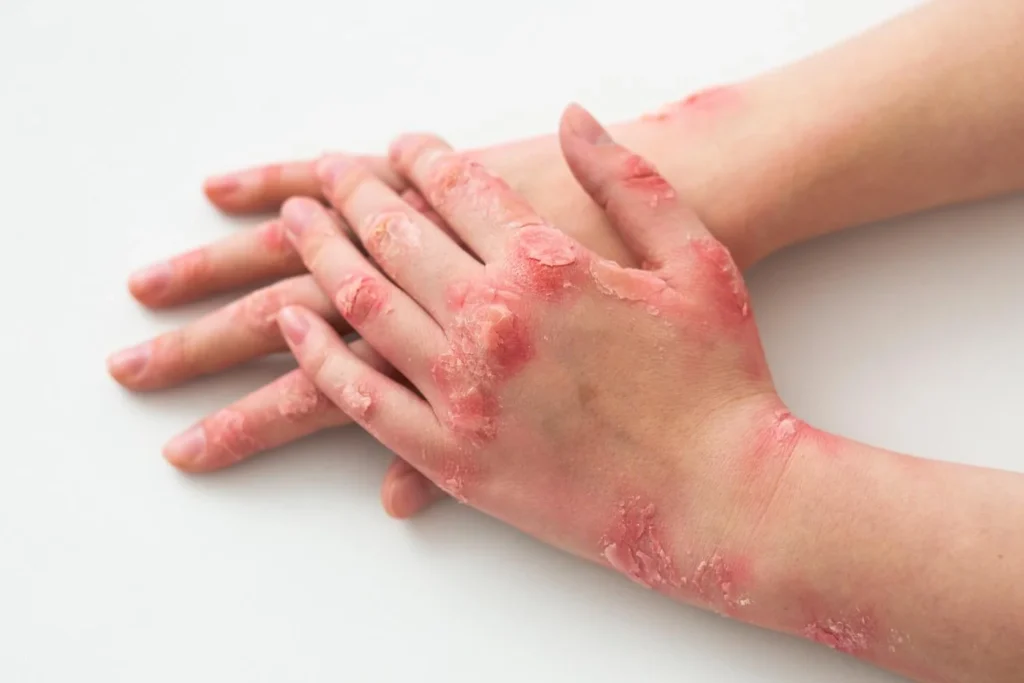
Chemical Burns
Drain cleaning chemicals and acids are extremely corrosive. Direct contact with skin or eyes can cause severe burns and permanent injuries.
Pipe Corrosion
Strong chemicals can damage pipe materials, particularly PVC and older metal plumbing systems. Repeated use may cause pipe leaks or complete pipe failure.
Pushing Blockages Deeper
Basic tools often push the blockage further into the pipe network instead of removing it. This can make the problem more difficult and expensive to fix later.
Damage to Plumbing Fixtures
Improper use of plumbing tools may damage sinks, pipe joints, or drainage components.
Strong chemical cleaners and acids can damage plumbing materials, especially PVC pipes and older metal pipes. Repeated chemical use may cause:
Pipe corrosion
Cracks and leaks
Complete pipe failure
This can result in expensive plumbing repairs or full pipe replacement.
DIY tools often push blockages deeper into the drainage system instead of removing them. This makes professional cleaning more complicated and costly later.
Professional plumbing companies use specialized equipment designed to remove blockages safely and completely.
High Pressure Hydro Jetting
High-pressure hydro jetting is one of the most effective professional drain cleaning methods. It uses powerful streams of pressurized water to remove grease, sludge, mineral deposits, and other debris from inside pipes.
Hydro jetting cleans the entire pipe interior, restoring full water flow and preventing future blockages. This method is widely used in residential buildings, restaurants, commercial kitchens, and industrial facilities.
Liquid Drain Cleaning
Professional liquid drain cleaning solutions are designed to break down stubborn deposits inside drainage systems. Unlike consumer-grade chemicals, professional solutions are applied using controlled methods to avoid pipe damage.
These treatments help dissolve heavy buildup while protecting the integrity of the plumbing system.
Spring Machine Drain Cleaning
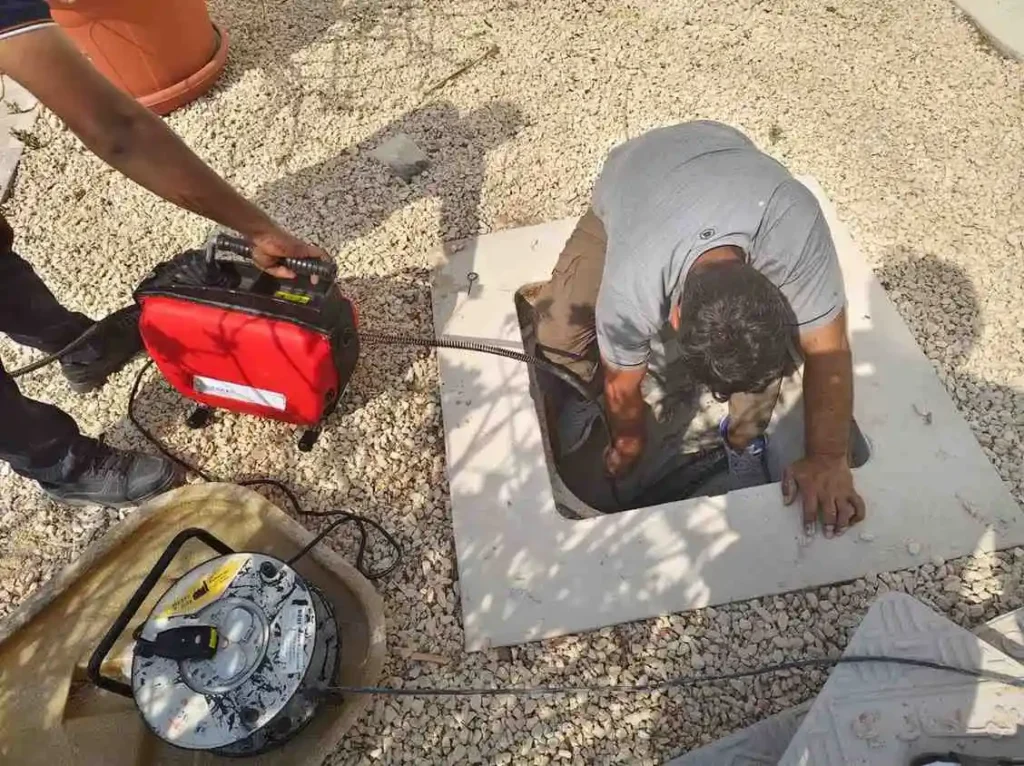
Spring machine cleaning uses a specialized rotating cable system that travels deep inside pipes to break apart and remove tough blockages.
This equipment is especially effective for compact debris, hardened waste, and deep pipe obstructions that cannot be reached by basic tools.
Drain Opener Services
Drain opener services are designed to restore water flow quickly when drainage systems become severely clogged. Professional technicians diagnose the blockage location and use the appropriate equipment to open the drain safely without damaging the pipe network.
This service is commonly used for sinks, kitchen drains, floor drains, and main drainage lines.
Removing Materials from Drains
Sometimes drains become blocked by solid materials that cannot be dissolved or broken apart easily. In these cases, professional technicians use specialized extraction tools to pull debris out from inside the pipes.
Removing these materials prevents deeper blockages and protects the plumbing system from further damage.
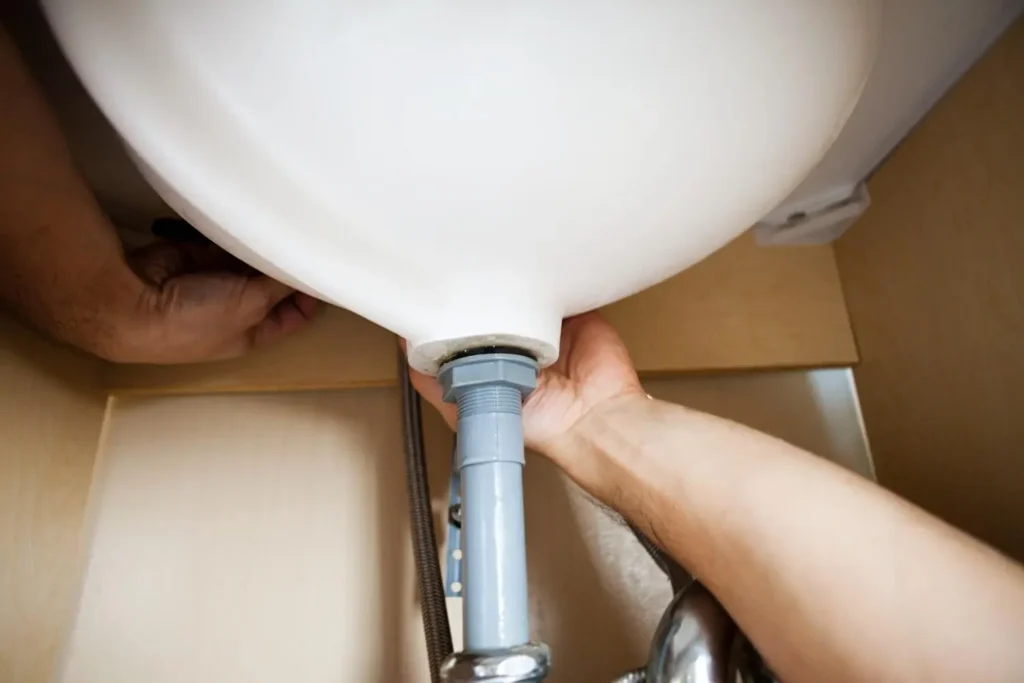
P-Trap Replacement
The P-trap is an important component of plumbing systems that prevents sewer gases from entering buildings. Over time, P-traps can become clogged, corroded, or damaged.
When this occurs, professional plumbers replace the P-trap to restore proper drainage and maintain a safe plumbing system.
You should contact a professional drain cleaning service if you notice:
Slow drainage in sinks or floor drains
Frequent drain blockages
Unpleasant odors coming from drains
Water backing up from pipes
Gurgling sounds in plumbing systems
These warning signs indicate deeper drainage problems that require professional attention.
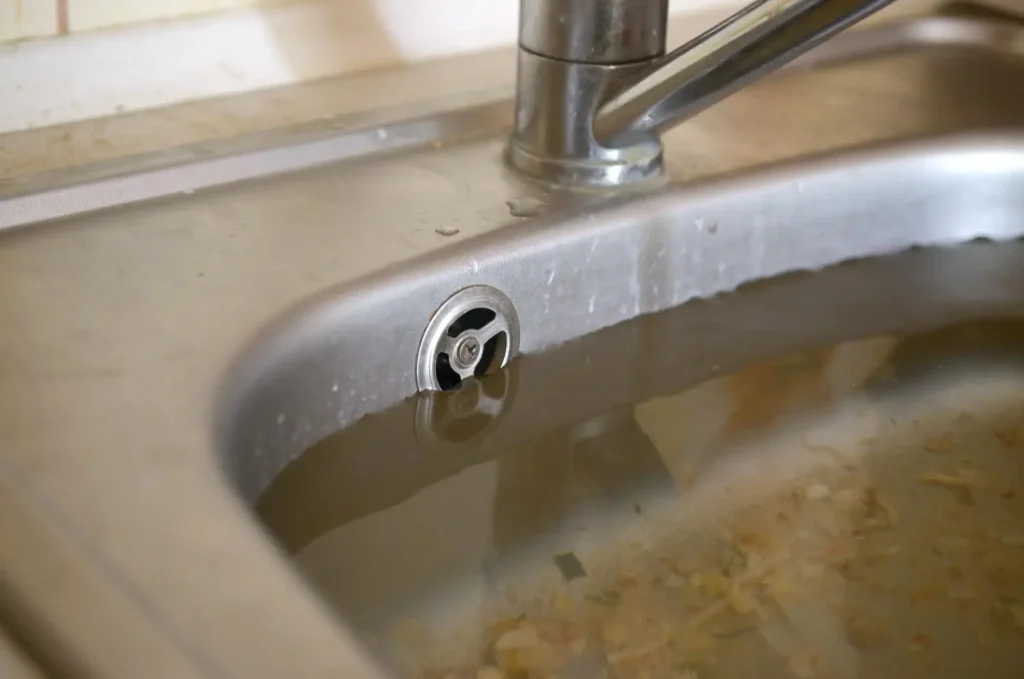
Hiring experienced drain cleaning specialists offers several important advantages:
Advanced equipment for effective blockage removal
Accurate diagnosis of drainage problems
Safe cleaning methods that protect pipes
Long-lasting solutions instead of temporary fixes
Reduced risk of plumbing damage or injury
Professional services ensure your drainage system operates efficiently and reliably.
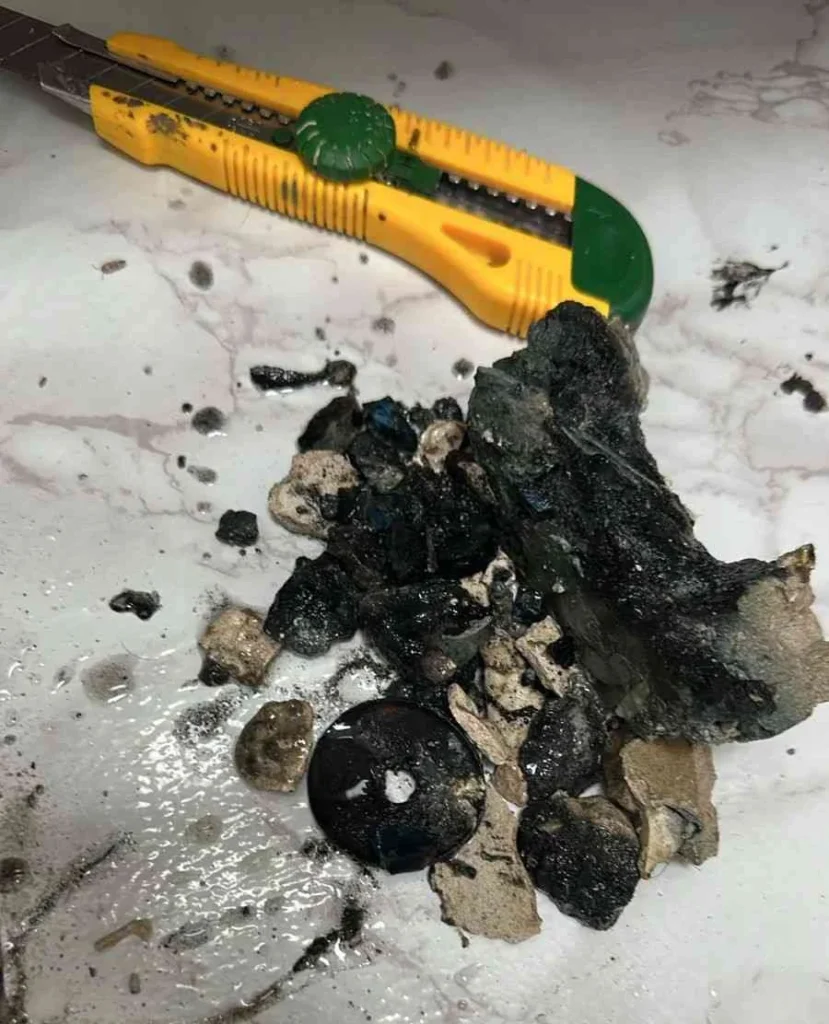
Blocked drains can disrupt daily operations in homes and commercial properties. Attempting to resolve these issues without proper equipment or expertise often leads to pipe damage, chemical hazards, and recurring blockages.
Professional drain cleaning services use advanced technologies such as high-pressure hydro jetting, spring machine cleaning, liquid treatments, drain opening services, debris removal, and P-trap replacement to restore drainage systems safely and effectively.
For reliable results and long-term protection of your plumbing system, professional drain cleaning is the most effective solution.

The United Arab Emirates (UAE) is a dynamic country located in Western Asia, at the northeastern tip of the Arabian Peninsula. It shares borders with Oman to the east and Saudi Arabia to the south and west, while its northern coastline meets the beautiful Persian Gulf. Known for its rapid development, modern infrastructure, and high standard of living, the UAE is home to thriving cities like Dubai, Abu Dhabi, Sharjah, Ajman, Umm Al Quwain, Ras Al Khaimah, and Fujairah.